Silk, handloom and the marks that prove it: buying Indian ethnic wear without being fooled
Powerloom copies of handloom weaves are everywhere, and they are sold at handloom prices. Two labels and one burn test tell you the truth.
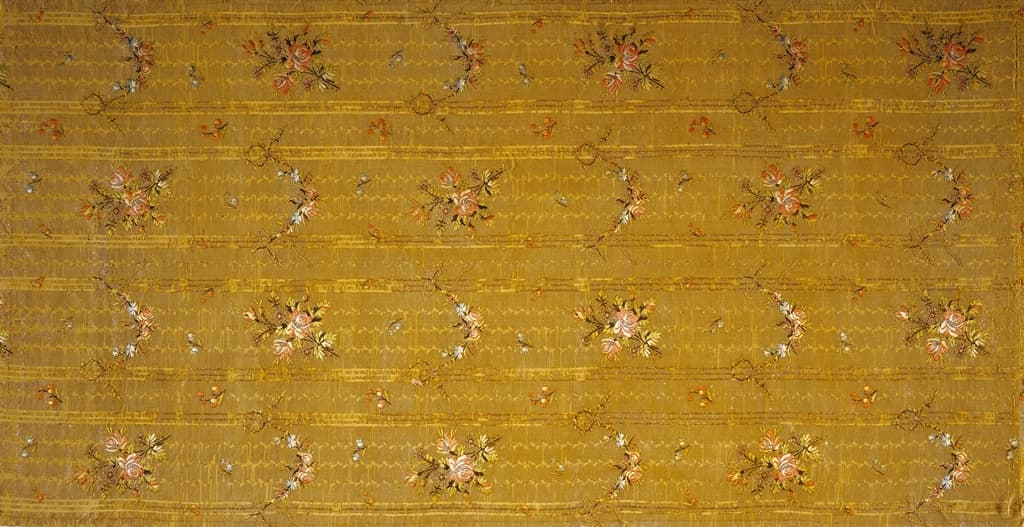
India handloom and silk traditions are among the finest textile crafts anywhere, and they are also among the most convincingly imitated. Powerloom fabric can replicate a handloom design closely enough that a buyer paying a handloom price often cannot tell.
Two certification marks and a handful of physical checks are what stand between you and that.
The marks
| Mark | Certifies | What it does not tell you |
|---|---|---|
| Silk Mark | The product is genuine natural silk | Whether it is handwoven, or how good the weave is |
| Handloom Mark | Woven on a handloom rather than a powerloom | The fibre content or the quality of the yarn |
| India Handloom Brand | Handloom plus quality and authenticity criteria | A price guarantee |
| Geographical Indication tags | Origin - Banarasi, Kanjeevaram, Pochampally and others | That every GI-tagged piece is equally fine |
Art silk means artificial silk - usually viscose rayon. It is a legitimate fabric with its own drape and a much lower price, and it is not silk. The word art in front of silk is the entire disclosure.
Telling handloom from powerloom
- Small irregularities. Handloom has slight variations in weave density and motif alignment; powerloom output is machine-perfect.
- The reverse side. Handwoven brocade often shows floats and loose threads at the back where the weft changes; powerloom backs are neater and more uniform.
- Selvedge and finishing, which differ between the two processes.
- Weight and hand-feel. Handloom fabric usually feels less flat and more alive, though this takes handling a few pieces to learn.
- Price. Handloom involves days of human labour. A price close to powerloom rates is telling you what you are buying.
The classic burn test - real silk burns slowly, smells like burning hair and leaves a crushable ash, while viscose and polyester behave differently - works on a stray thread from the selvedge. Ask the seller before doing it to a piece you have not bought.
Zari, and what it is made of
Traditional zari uses fine silver wire gilded with gold, wrapped around a silk core, and it is why heirloom pieces carry real metal value. Most contemporary zari is tested zari - electroplated - or plastic-based metallic yarn.
All three are used legitimately and differ enormously in price. Ask which one a piece uses before accepting a price justified by the zari work, and remember that real zari tarnishes over decades while plastic zari does not.
Caring for what you buy
- Silk saris: dry clean, or very gentle cold hand wash for simpler weaves. Never wring, never direct sun.
- Store silk wrapped in cotton or muslin, not plastic - silk needs to breathe and plastic traps humidity.
- Refold heavy saris every few months. Permanent creases along a fold line weaken and eventually split the fabric.
- Keep zari away from moisture and perfume; both tarnish real zari and degrade the coating on tested zari.
- Cotton handloom softens with washing - cold water, mild detergent, shade drying.
- Chanderi and kota doria are delicate by construction; hand wash gently or dry clean.
- Use padded or broad hangers for heavy garments, or store flat. Thin hangers cut into the shoulders of embellished wear.
Buying online
Ask for close-up photographs of the reverse side and of the selvedge, and ask directly whether a piece is handloom or powerloom, and whether the zari is real, tested or plastic. Sellers dealing in genuine handloom answer these questions readily - it is their differentiator.
Buy from weaver cooperatives, state emporia and established handloom retailers where you can, and check the return policy before spending seriously. And when a piece carries Silk Mark or Handloom Mark, photograph the tag - it is the documentation that matters later.
Every score on Filtizy is shown working
The factors, weights and thresholds behind a product's number are published in full - including the ones we consider weak.
Comments
Loading comments…