Cooking oil in India: refined, filtered or cold-pressed, and which one for what
Smoke point decides the cooking. Fat composition decides the health argument. Price per litre decides most baskets.
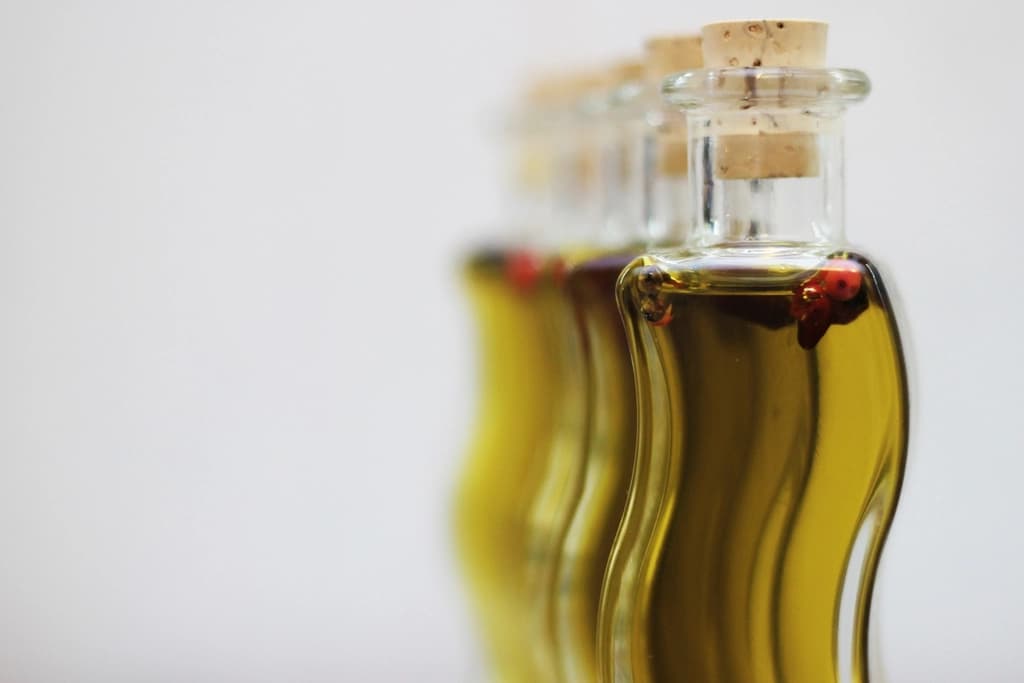
Cooking oil is the most argued-about item in an Indian kitchen and one of the least usefully labelled. Two questions decide it: will this oil survive the heat you are about to apply, and what is the fat made of. Everything else - ancestral wisdom, wooden presses, branded purity - sits downstream of those.
Refined, filtered and cold-pressed
Refining uses heat and processing to remove free fatty acids, colour, odour and impurities. The result is neutral in taste, high in smoke point and long-lasting. It also strips much of the flavour and some of the minor compounds that came with the seed.
Filtered or kachi ghani or wood-pressed oils are mechanically expressed at lower temperatures and only filtered. They keep flavour and aroma, have a lower smoke point and a shorter shelf life, and cost considerably more.
Neither is universally better. Refined oil is the correct tool for deep frying. Cold-pressed mustard oil is the correct tool for a Bengali fish curry. Buying one bottle for both jobs is how people end up unhappy with whichever they chose.
Smoke point, and why it matters
Past its smoke point an oil starts breaking down, producing off flavours and undesirable compounds. Choosing an oil below the heat you will subject it to is the most common cooking-oil error, and it is entirely avoidable.
| Oil | Roughly suited to | Character |
|---|---|---|
| Refined rice bran, refined groundnut, refined sunflower | Deep frying, high-heat sauteing | Neutral, stable, cheap per litre |
| Mustard oil (kachi ghani) | Indian sauteing, tadka, pickling | Pungent, high in monounsaturated fat |
| Groundnut oil (filtered) | Everyday Indian cooking, shallow frying | Nutty, traditional in the west and south |
| Coconut oil | South Indian cooking, baking | High in saturated fat, distinct flavour |
| Extra virgin olive oil | Dressings, finishing, gentle sauteing | Expensive, best not wasted on deep frying |
| Ghee | Tadka, roti, finishing | High saturated fat, high smoke point, strong flavour |
| Sesame or til oil | South Indian and East Asian cooking | Toasted and untoasted behave very differently |
The fat composition argument, briefly
The ICMR-NIN 2024 guidelines advise keeping total visible fat under about 30 per cent of daily energy and getting fat from a mix of sources rather than one bottle. That is the sensible core of a debate that usually generates more heat than light.
- No single oil supplies an ideal fatty acid profile, which is the real argument for rotating two or three rather than any mystical benefit of rotation itself.
- Coconut oil and ghee are high in saturated fat. That does not make them poison, and it does not make them health foods either - quantity is the variable.
- Mustard, groundnut and olive oils are high in monounsaturated fat, which is the profile most dietary guidance favours.
- How much oil you use matters more than which oil you use. A deep-fried snack in the finest cold-pressed oil is still a deep-fried snack.
Reusing frying oil repeatedly is the genuinely risky habit. Each heating cycle degrades it further, and the polar compounds that accumulate are what commercial kitchens are tested for. Strain, reuse once or twice for similar food, then stop.
Reading the label
- Blended vegetable oil means two oils, and the proportions are declared - check them before paying for the one named largest on the front.
- The nutrition panel gives saturated, monounsaturated and polyunsaturated fat per 100 g. That is the honest comparison between bottles.
- The +F logo means fortified, typically with vitamins A and D. Worth having, particularly for households that use one oil for everything.
- Packaging date matters: oil goes rancid. Buy a size you will finish in two to three months and keep it away from the stove and sunlight.
- The FSSAI licence number should be present, and the tin or bottle should be sealed. Loose oil is the classic adulteration risk.
A reasonable default for most kitchens: one refined oil for frying, one flavourful cold-pressed oil for everyday cooking, and ghee in the quantities your grandmother would have recognised rather than the ones the internet recommends.
Every score on Filtizy is shown working
The factors, weights and thresholds behind a product's number are published in full - including the ones we consider weak.
Comments
Loading comments…