Denim, decoded: ounces, stretch, sanforised, selvedge and which fit name means what
Jeans are described in a private vocabulary. Six terms cover almost all of it.
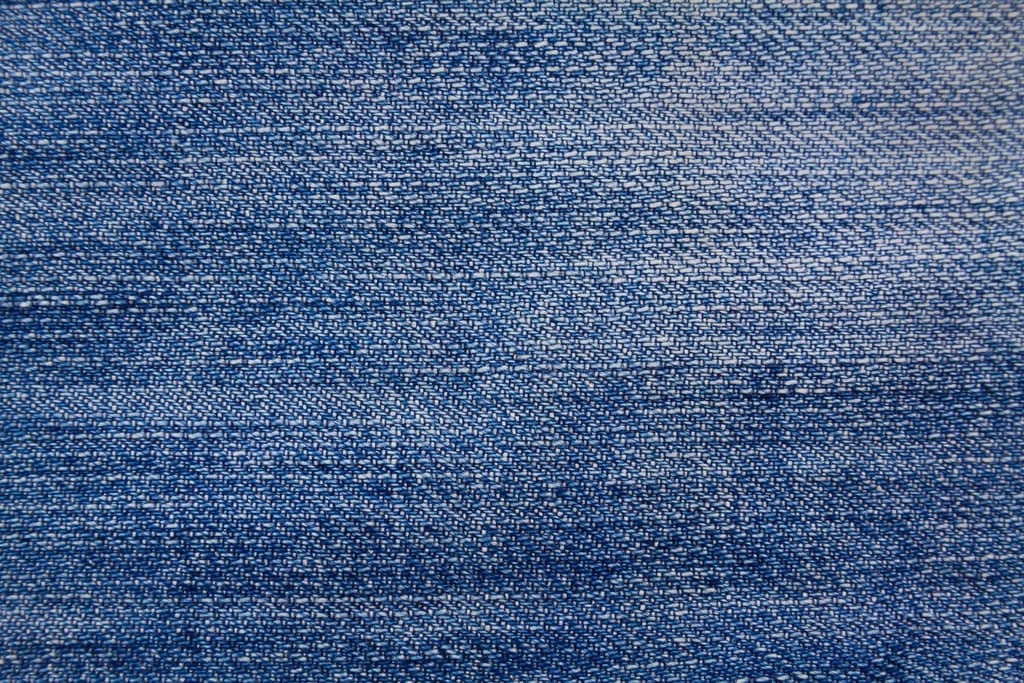
Denim is sold with more jargon than almost any other garment, most of it accurate and almost none of it explained. Here is the working vocabulary.
Weight, in ounces
Denim weight is quoted in ounces per square yard. It is the single best predictor of how a pair will feel and how it will age.
| Weight | Character | Suits |
|---|---|---|
| Under 10 oz | Light, soft, immediately comfortable | Hot weather, summer jeans |
| 11 to 13 oz | The mainstream middle | Year-round in most of India |
| 14 to 16 oz | Heavy, stiff at first, ages dramatically | Winter, and people who want fades |
| Above 16 oz | Very heavy; a project rather than a purchase | Denim enthusiasts |
Stretch, and what it costs you
Elastane - spandex or lycra - is what makes modern jeans comfortable from the first wear. The trade-off is durability: elastane fibres fatigue over time, which is why stretch jeans eventually bag at the knee and seat and never fully recover.
- 0 per cent elastane: rigid denim. Stiff initially, moulds to you, lasts longest, fades best.
- 1 to 2 per cent: comfort stretch. A good compromise for most people.
- 3 per cent and above: high stretch. Very comfortable, shortest lifespan, most likely to bag.
- Look for recovery claims and for the fabric to spring back when you stretch it in the shop.
If your jeans feel perfect on day one and loose by evening, that is stretch relaxation. Rigid denim does the opposite: tight for a week, then moulded to your shape for years.
Sanforised, raw, selvedge
Sanforised means the fabric was pre-shrunk during finishing, so the jeans you buy will not shrink dramatically. Almost all mainstream denim is sanforised; unsanforised denim can shrink substantially on first wash, and is sold to people who intend exactly that.
Raw or dry denim has not been washed or distressed after dyeing. It starts dark and stiff and develops fades that follow how you actually move. It also bleeds indigo onto light upholstery and white shoes for the first few weeks.
Selvedge refers to the self-finished edge produced by narrow shuttle looms. It signals a slower, more traditional weaving process and often a denser fabric, but it is a construction marker rather than a guarantee of quality - and it has nothing to do with whether denim is raw or stretch.
Fit names, translated
| Name | Thigh | Leg opening |
|---|---|---|
| Skinny | Tight | Very narrow |
| Slim | Close but not tight | Narrow |
| Tapered | Roomier at the top | Narrows towards the ankle |
| Straight | Regular | Same width from knee down |
| Relaxed | Roomy | Wide |
| Wide or baggy | Very roomy | Very wide |
Judging a pair
- Check the rise measurement, not just the waist. It decides where the waistband sits and how the whole thing hangs.
- Look at the stitching density at the crotch and inseam - that is where jeans fail first.
- Check the hardware: a solid zip and rivets at stress points.
- For rigid denim, sit down in the changing room. Rigid jeans that are comfortable standing can be unwearable seated.
- Ask about shrinkage if the pair is unsanforised, and buy accordingly.
- Wash rarely, cold, inside out. Denim lasts far longer with less washing, and fades better too.
One honest note on price: most of what separates a mid-priced pair from an expensive one is fabric mill, finishing and fit consistency. Above a certain point you are paying for branding, and a well-chosen mid-priced pair in the right weight will serve you better than an expensive pair in the wrong one.
Every score on Filtizy is shown working
The factors, weights and thresholds behind a product's number are published in full - including the ones we consider weak.
Comments
Loading comments…