Buying shoes online: UK, US and EU sizing, sole materials, and what actually wears out first
Shoe size is not a length. It is a length plus a last plus a width, and only one of those appears on the box.
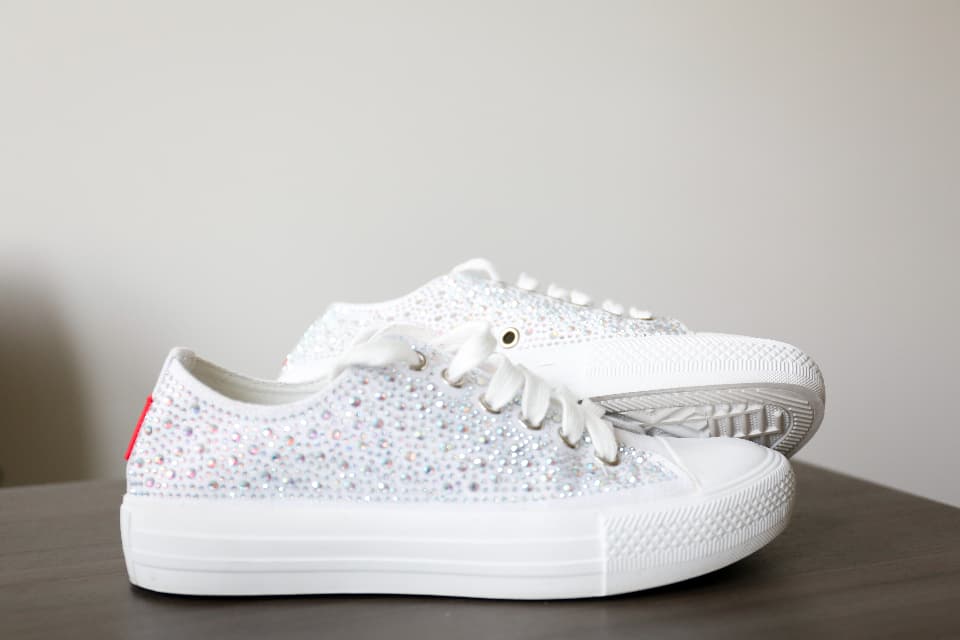
Footwear has the highest return rate of anything sold online, for a simple reason: a size number describes the last a shoe was built on as much as the foot it should fit, and lasts differ between every brand and often between models within a brand.
Measure the foot, not the shoe you own
- Measure in the evening. Feet swell through the day, and a shoe fitted at 9 am can be tight by 7 pm.
- Stand on paper with your weight on the foot, mark heel and longest toe, and measure the distance. The longest toe is not always the big toe.
- Measure both feet. Most people have one larger foot; buy for that one.
- Add about 5 to 10 mm of room ahead of the longest toe for everyday shoes, and more for running.
- Measure width across the widest part too. Indian feet are frequently broader than European lasts allow, which is often what people experience as a shoe being small.
| System | Note |
|---|---|
| UK | Most common on Indian labels; roughly one size below the US mens number |
| US mens | About UK plus 1 |
| US womens | About US mens plus 1.5 |
| EU | A different scale entirely; conversions vary by brand |
| Foot length in cm | The only unambiguous measurement - use it whenever a brand publishes it |
Sports shoes usually run about half a size larger in effective fit than formal shoes from the same brand, and running shoes are deliberately sized with extra toe room. Do not assume your formal size transfers.
What the materials mean
| Part | Material | What to expect |
|---|---|---|
| Outsole | Rubber | Best grip and abrasion resistance; heavier |
| Outsole | TPR / PVC | Cheap, adequate, hardens and cracks with age |
| Midsole | EVA | Light and cushioned; compresses over months of use |
| Midsole | PU | Denser and longer lasting; heavier |
| Upper | Full-grain leather | Most durable, moulds to the foot, needs care |
| Upper | Genuine leather (split, corrected grain) | A legal description, not a quality tier |
| Upper | PU leather | Synthetic; peels after a couple of years, especially in humidity |
| Upper | Knit or mesh | Breathable, ideal for Indian heat, less structured |
Construction decides repairability
How a sole is attached determines whether a shoe can be resoled or is disposable.
- Cemented: glued. The cheapest and most common; resoling is difficult and rarely worth it.
- Goodyear welted: stitched through a welt. Expensive, heavy, and resoleable several times - the reason some formal shoes last decades.
- Blake stitched: stitched directly through the sole. Sleeker than welted, resoleable by a cobbler with the right machine.
- Direct injection: the sole is moulded onto the upper. Durable, entirely unrepairable.
- In India, a competent local cobbler can extend the life of most shoes considerably - which changes the maths on buying a better pair once.
Monsoon and heat, specifically
- Leather and prolonged wet do not mix. Keep a rubber or synthetic pair for the monsoon and rotate.
- Dry wet shoes away from direct heat, stuffed with paper. Heat cracks leather and warps adhesives.
- Rotate pairs. Shoes need a day to dry out internally; wearing the same pair daily halves its life.
- Humidity grows fungus in closed shoes - air them, and use odour or moisture absorbers in the monsoon.
- Open footwear with a contoured footbed is kinder to feet over long hot days than flat rubber slippers.
Buying online without the guesswork
Check whether the brand publishes a foot-length chart. Read reviews specifically for comments about width and true-to-size. Prefer sellers with free returns for footwear, and order one pair at a time rather than two sizes if returns are chargeable.
And check the quality control marks. Footwear has been brought under BIS quality control orders in phases in recent years, so a BIS mark on a shoe is increasingly a meaningful signal about the manufacturer rather than a decoration.
Every score on Filtizy is shown working
The factors, weights and thresholds behind a product's number are published in full - including the ones we consider weak.
Comments
Loading comments…