Iron and anaemia in India: why it is so common, and what actually raises your levels
NFHS-5 found anaemia in around 57 per cent of women aged 15 to 49. Most of the fixes are dietary, cheap and badly explained.
Anaemia is India most widespread nutritional problem. The National Family Health Survey 5, covering 2019 to 2021, found around 57 per cent of women aged 15 to 49 anaemic - a figure that had risen from the previous round. It affects energy, concentration, work capacity, pregnancy outcomes and children development.
Not all anaemia is iron deficiency - B12 and folate deficiency, thalassaemia trait, chronic disease and blood loss all cause it, which is why the correct first step is a blood test rather than a bottle of iron tablets.
Two kinds of dietary iron
Heme iron, from meat, poultry and fish, is absorbed efficiently and is relatively unaffected by what else is on the plate. Non-heme iron, from plants, is absorbed far less efficiently and is strongly influenced by everything eaten with it.
Since much of India eats vegetarian, absorption - not intake - is where the practical gains are.
What helps and what blocks
| Improves absorption | Reduces absorption |
|---|---|
| Vitamin C in the same meal - lemon, amla, guava, tomato, capsicum | Tea and coffee with meals (tannins) |
| Cooking acidic foods in iron vessels | Calcium supplements and large amounts of dairy with the meal |
| Soaking, sprouting and fermenting pulses and grains | Phytates in unsoaked whole grains and pulses |
| Small amounts of meat or fish alongside plant foods | Some antacids and proton pump inhibitors |
The tea point is worth being specific about. Tannins in tea can substantially reduce non-heme iron absorption when consumed with a meal. Nobody needs to give up chai - moving it an hour away from lunch captures most of the benefit.
Good vegetarian sources
- Pulses and legumes - rajma, chana, lobia, masoor.
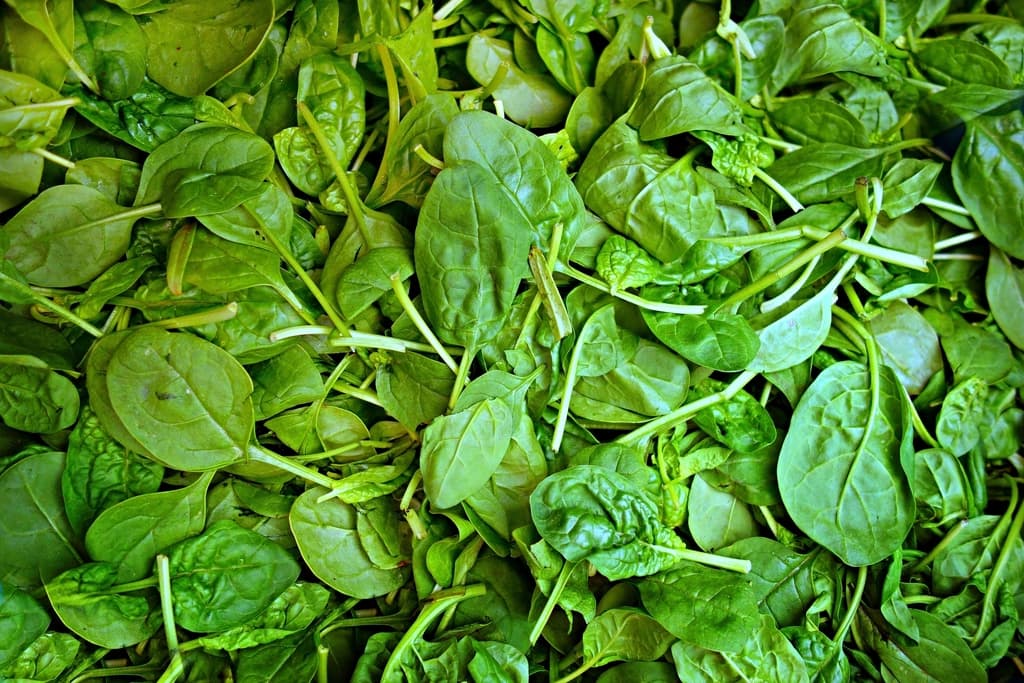
- Dark green leafy vegetables, though absorption from them is modest.
- Bajra, ragi and other millets.
- Sesame seeds, pumpkin seeds and dried figs.
- Jaggery in small amounts, and fortified salt and atta carrying the +F logo.
- Amla, guava and citrus eaten with the meal rather than after it - the vitamin C is the point.
If you need a supplement
Iron supplementation should follow a test and, ideally, medical advice - both because the cause matters and because unnecessary iron is harmful. Conditions such as thalassaemia trait and haemochromatosis make casual supplementation actively dangerous.
- Ferrous sulphate, fumarate and gluconate are the common, inexpensive salts; they differ mainly in elemental iron per tablet.
- Alternate-day dosing is increasingly supported for better absorption and fewer side effects than daily dosing.
- Take it away from tea, coffee, calcium and antacids; with vitamin C if tolerated.
- Constipation, dark stools and nausea are common. Dark stools are expected; persistent pain is not.
- Recheck after three months. Correcting haemoglobin is not the same as refilling stores, which takes longer.
- Keep iron tablets away from children - iron overdose is a genuine cause of childhood poisoning.
Why the numbers stay high
Diet is only part of it. Menstrual blood loss, closely spaced pregnancies, intestinal infections and low intake of absorption-enhancing foods all contribute, and no single supplement programme has closed the gap. India runs national programmes for anaemia and fortifies salt, wheat flour and rice, which helps at a population level.
At an individual level, the sequence that works is unromantic: get tested, find out which deficiency you actually have, treat that one, fix the absorption habits, and retest. Buying iron because you feel tired skips every useful step in that list.
Every score on Filtizy is shown working
The factors, weights and thresholds behind a product's number are published in full - including the ones we consider weak.
Comments
Loading comments…