Millets without the hype: which one, for what, and how to spot a millet product that is mostly maida
Ragi, bajra, jowar and the small millets are excellent grains. Millet-branded biscuits are usually biscuits.
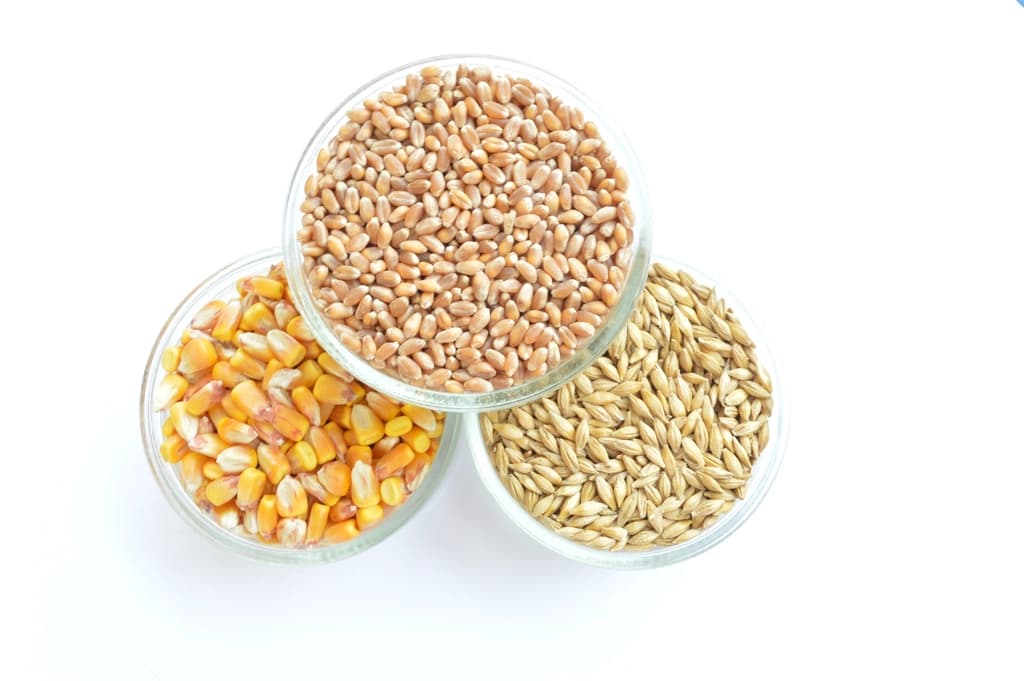
Millets had a very good few years. The International Year of Millets in 2023 put them on national menus, and the ICMR-NIN 2024 guidelines encourage a more diverse cereal intake than rice and wheat alone. Both of those are good reasons to cook them.
Neither is a reason to pay four times the price of atta for a biscuit with a millet on the label. The two halves of this story need separating.
The grains, and what they are good at
| Millet | Also called | Best for |
|---|---|---|
| Ragi | Finger millet, nachni | Rotis, porridge, dosa; notably high in calcium |
| Bajra | Pearl millet | Winter rotis, khichdi; hearty and warming |
| Jowar | Sorghum | Rotis and bhakri; the mildest and most wheat-like |
| Foxtail millet | Kangni, thinai | Rice substitute in pulao, upma, khichdi |
| Little millet | Kutki, samai | Rice substitute; cooks quickly |
| Kodo millet | Kodra, varagu | Rice substitute; good in curd rice style dishes |
| Barnyard millet | Sanwa, jhangora | Upma, kheer, and traditional fasting dishes |
How they actually compare
Millets are generally higher in fibre and minerals than polished rice, and comparable or slightly higher in protein. Ragi is the standout for calcium; bajra contributes useful iron. They are not magic, and they are not low-carbohydrate foods - a millet roti and a wheat roti are closer than the marketing suggests.
The honest summary is that millets are a good way to make a cereal-heavy diet more varied and more fibrous, particularly when they displace polished rice and refined flour rather than adding to them.
Diabetes-related claims deserve caution. Whole millets generally produce a gentler glycaemic response than polished rice, but a millet flour that has been finely milled and baked into a biscuit does not inherit that property. Whole and minimally processed is where the benefit lives.
How to spot a millet product that is mostly something else
- Read the ingredients order. If refined wheat flour is first and millet flour is fourth, the product is a wheat product with a millet garnish.
- Look for a declared percentage. Genuine millet products usually state how much millet flour they contain, because it is their selling point.
- Check the fibre row. A real whole-millet product shows fibre well above a comparable refined-flour one. If it does not, the millet is decorative.
- Check added sugar. Millet cookies, millet chips and millet health mixes are frequently sweetened to the level of the products they are meant to replace.
- Compare price per kilogram against plain millet flour from the same shop. The multiple is often startling.
Cooking them so you actually keep eating them
The most common reason a millet experiment ends is texture. A few adjustments handle most of it.
- Rinse and soak whole millets for four to six hours. This improves texture, shortens cooking and reduces the phytate that binds minerals.
- For rice substitutes, use roughly two and a half parts water to one part millet and let them rest covered after cooking.
- For millet rotis, use hot water for the dough - gluten-free flours need it to hold together - and pat rather than roll if the dough resists.
- Mix rather than switch: a third millet flour in your regular atta is a change the household will not resist.
- Buy small quantities first. Millet flours go rancid faster than wheat because of higher fat content, so store them refrigerated.
One practical caution: millets are high in fibre, and going from a low-fibre diet to millets at every meal in one week produces predictable discomfort. Increase gradually and drink more water.
The buying rule at the end of all this is short. Buy the grain, buy the flour, be sceptical of the snack.
Every score on Filtizy is shown working
The factors, weights and thresholds behind a product's number are published in full - including the ones we consider weak.
Comments
Loading comments…