Omega-3: why flaxseed is not the same as fish oil, and what vegetarians should buy instead
ALA from seeds converts to EPA and DHA poorly. That one conversion rate explains most of the confusion in this aisle.
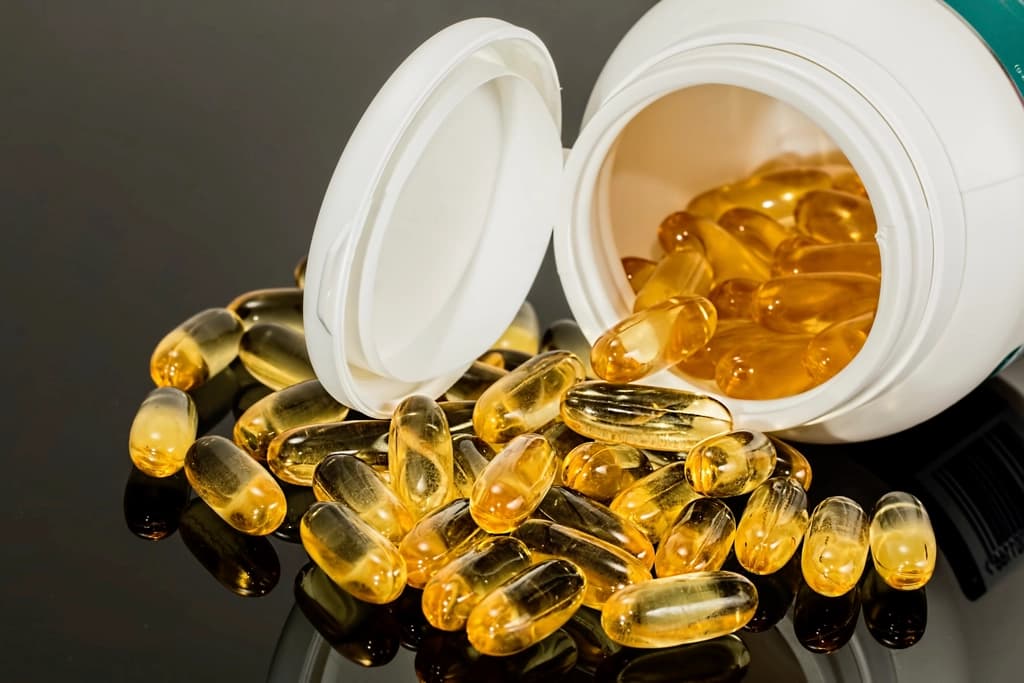
Omega-3 is three different things sold under one name, and the differences matter more than any brand comparison you could make.
The three
- ALA - alpha-linolenic acid - from flaxseed, chia, walnuts and mustard oil. Plentiful in Indian vegetarian diets.
- EPA - eicosapentaenoic acid - from oily fish and from algae. Most of the cardiovascular and anti-inflammatory research is about this and DHA.
- DHA - docosahexaenoic acid - structurally important in the brain and the retina, and specifically relevant in pregnancy and infancy.
The body can convert ALA into EPA and then into DHA, but inefficiently - conversion to EPA is typically in the single-digit percentages, and conversion onward to DHA is lower still, with rates varying by sex and by background diet.
So eating flaxseed is good and is not equivalent to eating fish. This is the single most common misunderstanding in Indian vegetarian nutrition advice.
Reading a fish oil label
The number on the front is usually the weight of the oil, not the omega-3 in it. A 1000 mg capsule commonly contains around 180 mg EPA and 120 mg DHA - that is 300 mg of what you are actually buying.
| On the label | What to check |
|---|---|
| 1000 mg fish oil | The EPA and DHA breakdown, not the total |
| Triglyceride or ethyl ester form | Triglyceride form is somewhat better absorbed; ethyl ester is cheaper |
| Molecularly distilled or purified | Relevant for heavy metal and contaminant removal |
| Third-party testing for oxidation and heavy metals | The single most useful mark of quality in this category |
| Enteric coating | Mainly reduces fishy reflux; not a quality signal in itself |
| Krill oil | Phospholipid form, generally lower EPA and DHA per capsule at a higher price |
Fish oil goes rancid. A capsule that smells strongly fishy when you open the bottle has probably oxidised, and oxidised oil is the opposite of what you bought it for. Store away from heat and light, buy a size you will finish, and check the manufacturing date.
Vegetarian and vegan options
Algal oil is the answer that has been missing from this conversation for years. Fish do not make EPA and DHA; they accumulate them from algae. Algal oil supplements go straight to that source and supply EPA and DHA directly rather than relying on conversion.
They cost more per milligram than fish oil, and for a vegetarian who will not eat fish, they are the only realistic way to get preformed DHA. This matters most in pregnancy and breastfeeding, where DHA requirements are genuinely elevated.
- Keep eating ALA sources - flax, chia, walnuts, mustard oil - they have their own benefits.
- Grind flaxseed before eating it; whole seeds pass through largely undigested.
- Store ground flax refrigerated - it oxidises quickly.
- For DHA specifically, algal oil rather than more flaxseed is the effective route.
What the evidence supports, and what it does not
EPA and DHA have reasonable evidence for lowering triglycerides, some evidence in specific cardiovascular contexts, and a role in eye and brain development. The broad claims made in supplement marketing - memory, mood, joints, general wellness - run well ahead of the data.
Two practical cautions: high doses can affect bleeding, so tell your doctor before surgery and if you are on blood thinners; and for cardiovascular treatment, prescription-grade preparations at specific doses are a medical decision rather than a supermarket one.
If you eat oily fish twice a week, you probably do not need a supplement at all. If you do not eat fish, this is one of the few gaps in an Indian vegetarian diet that supplements genuinely fill.
Every score on Filtizy is shown working
The factors, weights and thresholds behind a product's number are published in full - including the ones we consider weak.
Comments
Loading comments…