Sunscreen in India: what SPF and PA actually measure, and the amount nobody applies
The two numbers on the bottle answer different questions - and most people undercut both by applying a third of the tested dose.
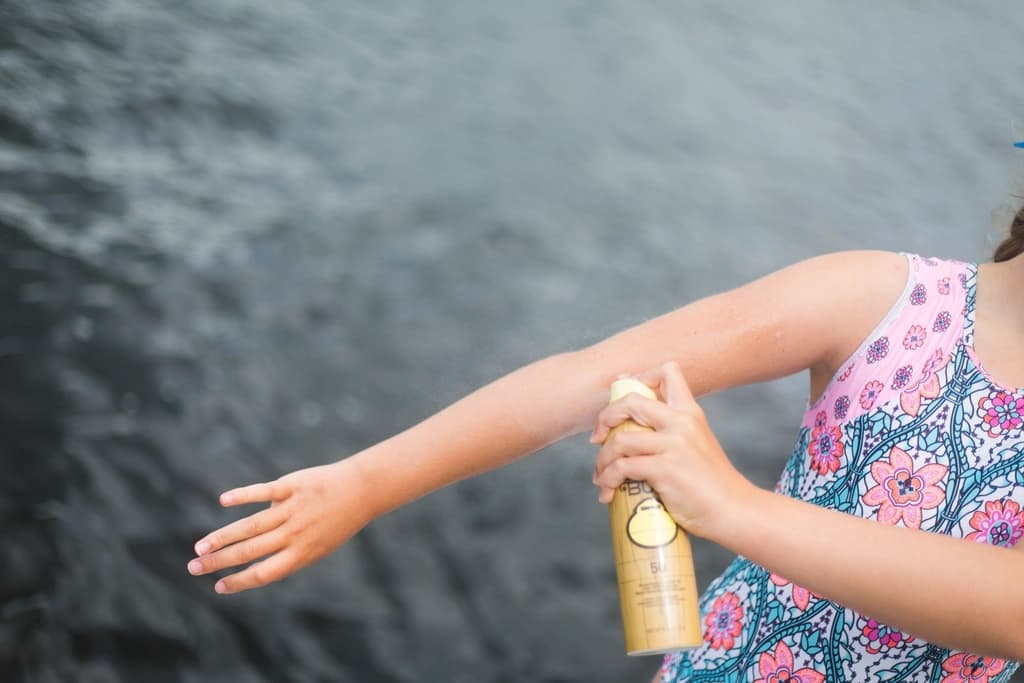
Sunscreen is the highest-return product in any routine and the one most often used wrong. Two numbers on the bottle describe two different kinds of protection, and the quantity you apply matters more than the gap between any two products on the shelf.
SPF and PA measure different rays
SPF is a UVB measure. UVB is the wavelength that burns, and SPF describes how much longer skin takes to redden with the product on, applied at a standard dose.
PA is a UVA measure, expressed in plus signs and derived from persistent pigment darkening. UVA penetrates deeper, contributes to pigmentation and photoageing, and passes through window glass. In India, where pigmentation and tanning are the complaints people actually bring to dermatologists, the PA rating usually matters as much as the SPF.
| On the label | Means | Practical reading |
|---|---|---|
| SPF 30 | Filters roughly 97 per cent of UVB | A sensible everyday minimum |
| SPF 50 | Filters roughly 98 per cent of UVB | Better margin for error when under-applied |
| PA++ | Moderate UVA protection | Adequate for mostly indoor days |
| PA+++ or PA++++ | High to very high UVA protection | What to look for if pigmentation is the concern |
| Broad spectrum | Meaningful protection across UVA and UVB | Should be supported by a UVA test, not just asserted |
Indian sunscreen testing has been tightening. BIS work on sunscreens has moved towards in-vivo SPF testing on human volunteers under ISO 24444, with UVA and broad-spectrum protection assessed under ISO 24443, and claims on cosmetic labels fall under the Cosmetics Rules, 2020. A number on a bottle should sit on a test, not on marketing.
The quantity problem
SPF is measured at 2 mg of product per square centimetre of skin. Almost nobody applies that much. Studies consistently find real-world application at a quarter to a half of the tested dose - and protection falls disproportionately, not proportionally.
For a face and neck, the tested dose works out to roughly a quarter to a third of a teaspoon. Two common ways to hit it: the two-finger rule, drawing a line of product along the length of your index and middle fingers; or the three-dot-per-zone method - forehead, each cheek, nose, chin - then blending.
Put differently: a correctly applied SPF 30 outperforms a thinly applied SPF 50 every time. Buy the one you will use generously.
Reapplication, realistically
- Outdoors, reapply every two to three hours, and sooner after swimming or heavy sweating.
- Indoors, away from windows, a morning application is usually enough - UV exposure through interior walls is not a thing.
- Water resistant is a tested claim with a stated duration; it is not waterproof, and towel drying removes product.
- Powder and spray formats are convenient for reapplication over makeup but hard to apply at the tested dose as a first layer.
- A physical barrier beats any reapplication schedule - a cap, sleeves, a scarf, shade between 10 am and 4 pm.
Choosing a formula for Indian weather
The best sunscreen is the one you do not resent wearing in 34 degrees and 80 per cent humidity. Filter chemistry matters less than texture for adherence.
- Mineral filters - zinc oxide, titanium dioxide - are gentle and well tolerated by sensitive skin, but can leave a white cast on deeper skin tones.
- Organic (so-called chemical) filters are cosmetically lighter and more transparent; modern ones are photostable and well studied.
- Hybrid formulas are the common middle ground and what most Indian brands now sell.
- Gel and fluid textures suit oily and humid-weather skin; creams suit dry skin and air conditioning.
- Tinted sunscreens add iron oxides, which help against visible light - relevant for melasma and for avoiding a cast on brown skin.
- Alcohol-heavy quick-dry formulas feel wonderful in summer and can be drying over months. Watch how your skin responds.
Four things worth checking on the carton
- Both an SPF and a PA rating. An SPF number with no UVA claim is half a product.
- A manufacturing date and a period-after-opening symbol - 6 M or 12 M in an open-jar icon.
- Manufacturer and importer details, as required under the Cosmetics Rules, 2020.
- A texture you can test on the back of your hand before committing, if you are buying in person.
Everything else - the claimed botanical, the blue-light angle, the price - is downstream of wearing enough of it, every day, on the parts of you that meet the sun.
Every score on Filtizy is shown working
The factors, weights and thresholds behind a product's number are published in full - including the ones we consider weak.
Comments
Loading comments…