Ultra-processed food: a useful idea, badly used - and how to apply it in an Indian kitchen
Processing is not the enemy. Dal is processed. The distinction that matters is narrower and more useful than the internet version.
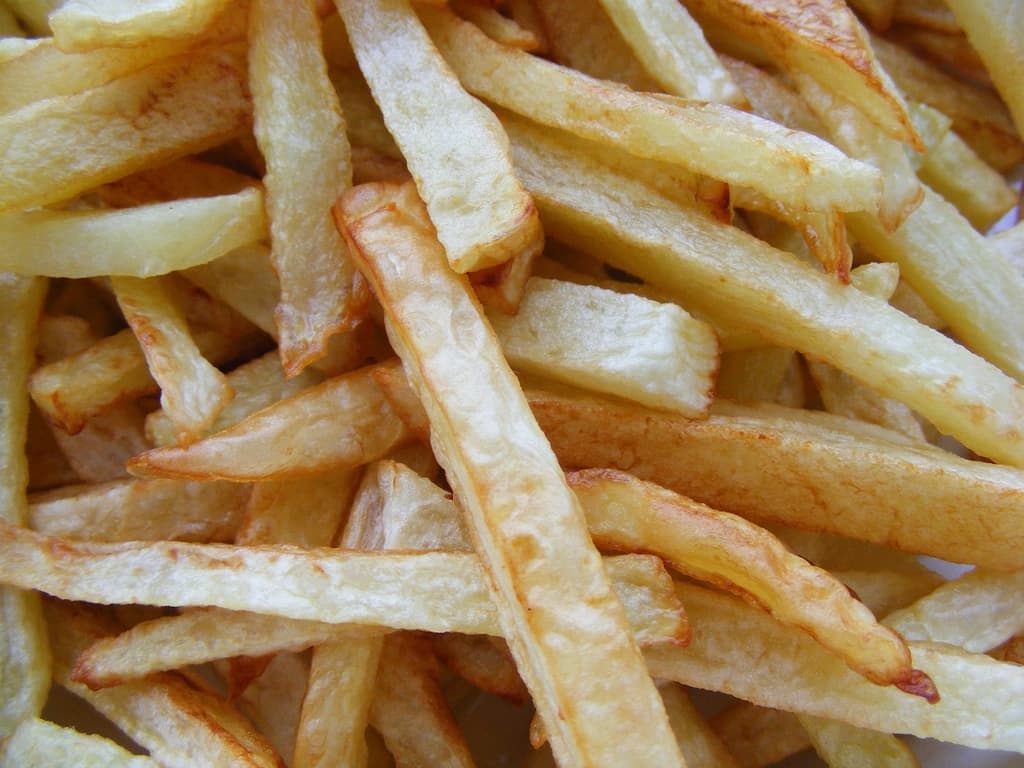
The phrase ultra-processed has escaped its definition. It gets used to condemn anything that came in a packet, which is both unhelpful and wrong - flour is processed, curd is processed, roasted peanuts are processed, and none of those are what the research is about.
The original classification, and the way ICMR-NIN uses the idea in its 2024 guidelines alongside high fat, sugar and salt foods, is narrower and considerably more useful.
The four groups, applied to Indian food
| Group | What it is | Indian examples |
|---|---|---|
| Unprocessed or minimally processed | Foods as they come, or dried, milled, chilled | Rice, atta, dal, vegetables, milk, eggs, spices |
| Culinary ingredients | Things used to cook with, rarely eaten alone | Oil, ghee, sugar, salt, jaggery |
| Processed foods | Group 1 plus group 2, still recognisable | Paneer, curd, pickle, bread, roasted namkeen made at home |
| Ultra-processed | Industrial formulations of refined substances and additives | Cream biscuits, aerated drinks, instant noodles, flavoured chips, most breakfast cereals |
The tell for group four is not the packet. It is the ingredients list: substances you would never keep in a kitchen - protein isolates, invert syrup, modified starch, emulsifiers, flavour enhancers, colours - assembled into something engineered to be eaten quickly and repeatedly.
Why it gets flagged
Two arguments, and they are worth keeping apart.
The uncontroversial one: ultra-processed foods are, on average, higher in added sugar, salt and refined fat, lower in fibre, and easier to overeat than the foods they replace. That is enough to explain most of the observed association with poor health outcomes.
The contested one: that something about the processing itself - texture, additive load, speed of eating - contributes over and above the nutrition panel. There is suggestive evidence for this, and it is an active research area rather than settled science.
You do not have to resolve the second argument to act on the first. Both point to the same shopping behaviour, which is a rare mercy in nutrition.
Where the label test breaks in India
A strict reading of the classification does odd things to Indian food. Packaged idli batter is fermented rice and dal, which is fine by any sensible standard. Bought samosas have a short, recognisable ingredient list and are still deep-fried refined flour. Home-made mithai has four ingredients and is mostly sugar.
So use the classification as a prompt rather than a verdict. The question it asks well is: has this been engineered to be eaten in large quantities without effort? Chips, cream biscuits and sweetened drinks answer yes. Curd, paneer and roasted chana answer no, packet or not.
A rule that survives a real week
- Buy the ingredients for most of what you eat, and the finished product for the rest. The ratio matters more than any individual purchase.
- Keep ultra-processed items out of the standing weekly order. Deciding to buy them each time is a better filter than willpower at 10 pm.
- When you do buy them, buy the small pack. Portion control by packaging works where intention does not.
- Read the ingredients list before the nutrition panel. Length and unfamiliarity tell you what category you are in faster than any number.
- Do not launder a treat into a health food because it carries millets, protein or immunity on the front.
The processing factor in the Filtizy food score works on exactly this logic: it reads the ingredients list rather than the marketing, and it deliberately carries a modest weight - because how processed something is is a useful signal, not a verdict that should override what the panel actually says.
Every score on Filtizy is shown working
The factors, weights and thresholds behind a product's number are published in full - including the ones we consider weak.
Comments
Loading comments…