Vitamin C serums: why yours turned orange, and what to buy instead
The most effective form is also the least stable. Everything about buying vitamin C follows from that one fact.
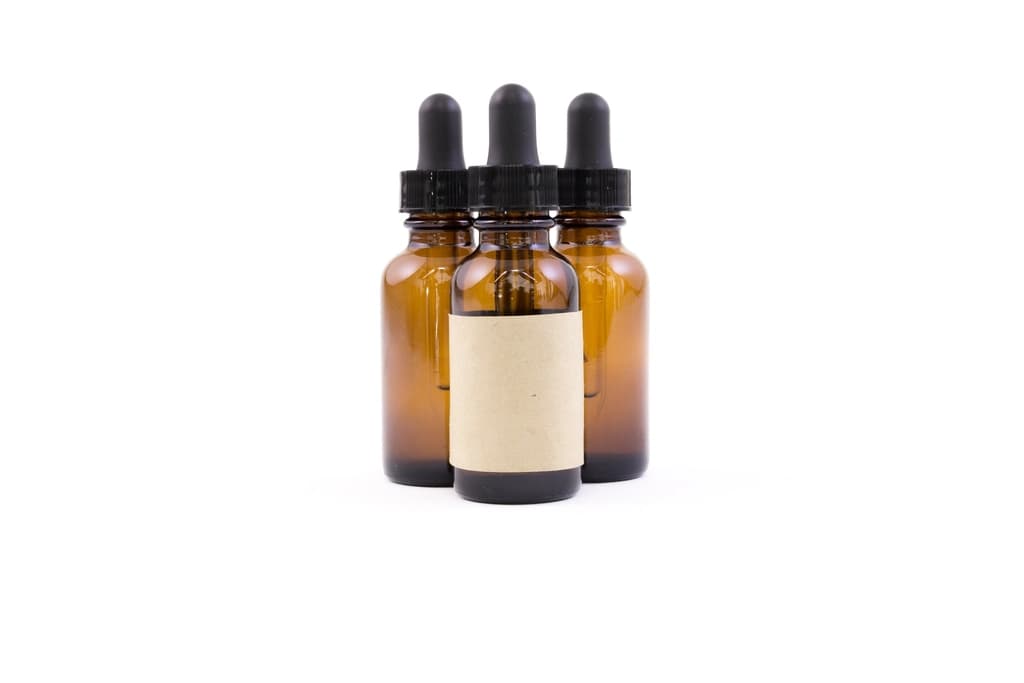
If your vitamin C serum has turned yellow-orange and smells faintly like a hot dustbin, it has oxidised. That is not a defect in your bottle so much as the defining property of the ingredient: the form with the best evidence is also the one that degrades fastest in light, heat and air - all three of which an Indian bathroom shelf supplies generously.
What it does
- Antioxidant defence against free radicals generated by UV and pollution - which is why it is a morning product, layered under sunscreen rather than instead of it.
- Pigmentation and uneven tone - it inhibits tyrosinase, an enzyme in melanin production.
- Collagen synthesis, for which vitamin C is a required cofactor.
- Overall brightness and texture. A twelve-week comparison published in the Journal of the American Academy of Dermatology found a 10.5 per cent vitamin C cream outperformed 0.075 per cent retinol on tone and texture, while retinol did better on pigmentation - a useful reminder that these are complements, not rivals.
The forms, and what each is for
| Form | Typical strength | Trade-off |
|---|---|---|
| L-ascorbic acid | 10 to 20 per cent | Best evidence, least stable, needs low pH and can sting |
| Sodium ascorbyl phosphate | 5 to 10 per cent | Stable, gentle, some acne evidence; weaker overall |
| Magnesium ascorbyl phosphate | 5 to 10 per cent | Stable and gentle; better for dry, sensitive skin |
| Ethyl ascorbic acid | 5 to 15 per cent | Stable, converts in skin; less independent evidence |
| Tetrahexyldecyl ascorbate | 5 to 10 per cent | Oil soluble, stable, elegant; expensive |
| Ascorbyl glucoside | 5 to 10 per cent | Very stable and mild; slow |
L-ascorbic acid needs a pH below about 3.5 to penetrate, which is also why it stings on freshly exfoliated or compromised skin. Formulas pairing it with vitamin E and ferulic acid are better studied than the ingredient alone - the combination improves both stability and effect.
Packaging is part of the formula
For L-ascorbic acid specifically, the container does real work. Opaque or amber glass, an airless pump or a dropper you do not leave open, and storage away from the window all extend usable life. A clear jar you dip fingers into is the worst case on every axis.
A fresh L-ascorbic acid serum is colourless to pale straw. Deep yellow means it is oxidising; orange or brown means it has finished. Oxidised serum is not dangerous - it is simply no longer doing the job you bought it for, and it can stain fabric.
Using it without irritating yourself
- Morning, on clean dry skin, before moisturiser and sunscreen.
- Start three times a week at a lower strength; work up as tolerance builds.
- Skip the day after a strong exfoliating acid or a retinoid night if your skin is reactive.
- A few drops is enough for the whole face. More product does not mean more absorption.
- Buy a size you will finish in two to three months. A large bottle of L-ascorbic acid is usually a waste.
Buying sensibly in India
Heat is the local variable. Serums stored in a hot flat degrade faster than the same product in a temperate climate, and a bottle that has sat in a warehouse through a summer may be partly spent before you open it. Buy from sellers with turnover, check the manufacturing date rather than only the expiry, and note the period-after-opening symbol.
If your skin does not tolerate L-ascorbic acid, do not force it. A stable derivative used consistently beats a potent one abandoned in week two - and a serum that oxidised on the shelf beats nothing only in the sense that both do nothing.
Every score on Filtizy is shown working
The factors, weights and thresholds behind a product's number are published in full - including the ones we consider weak.
Comments
Loading comments…