Ayurvedic and herbal supplements: what to check before you take one
Traditional does not mean inert. The things that make a herb useful are the same things that make it interact with your medicines.
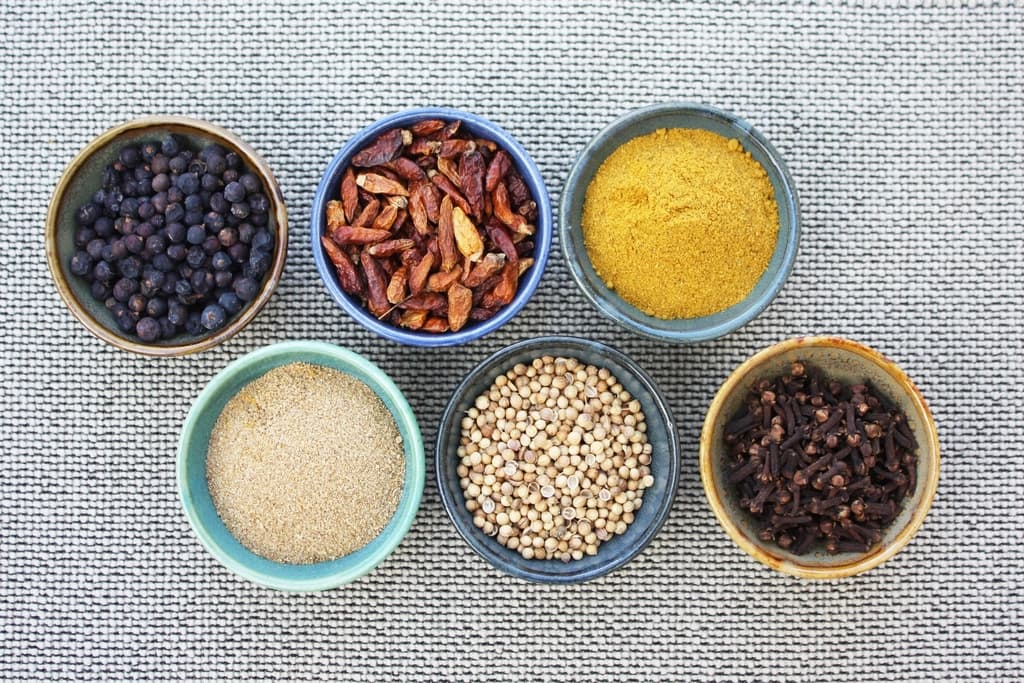
Herbal and ayurvedic products occupy a strange middle ground: culturally trusted, widely used, regulated under a different framework from both food and modern medicine, and frequently taken alongside prescriptions without anyone being told.
None of that makes them useless. Several have genuine pharmacological activity - which is exactly the reason to treat them with the same care as anything else that has an effect.
Two regulatory tracks
Classical ayurvedic, siddha and unani medicines are licensed under the Drugs and Cosmetics framework, administered through the Ministry of AYUSH. Herbal ingredients sold as supplements and nutraceuticals fall under FSSAI 2016 regulations, where labels must state that the product is not for medicinal use and may not claim to treat, cure or prevent disease.
So the same botanical can be sold under two different regimes depending on how it is presented, which is part of why the shelf is confusing. The practical consequence: check which one you are buying, and whether the pack carries an AYUSH licence number or an FSSAI licence number.
Heavy metals, stated plainly
Published testing of ayurvedic products, in India and abroad, has repeatedly found lead, mercury and arsenic in a proportion of samples. There are two distinct explanations, and they deserve to be separated.
- Contamination - from soil, water, processing or packaging. This is a manufacturing quality problem and is what testing standards exist to catch.
- Deliberate inclusion - rasa shastra preparations traditionally include processed metals and minerals. Practitioners regard the processing as transformative; the analytical chemistry still finds the metal.
- Either way, chronic exposure to lead and mercury is harmful, and children and pregnant women are the most vulnerable.
- The 2024 Indian protein supplement analysis found herbal and ayurvedic protein blends performing notably worse than plain whey products on contamination and label accuracy alike.
This is an argument for buying from manufacturers who test and publish, not an argument that traditional medicine is uniformly unsafe. The relevant question at the shelf is always the same one: who made this, and what did they test it for?
Interactions worth knowing
| Herb | Commonly taken for | Interaction to be aware of |
|---|---|---|
| Ashwagandha | Stress, sleep | Thyroid medicines, sedatives, immunosuppressants; caution in pregnancy |
| Turmeric and curcumin extracts | Inflammation, joints | Blood thinners; high doses can irritate the stomach |
| Giloy (guduchi) | Immunity | Case reports of liver injury; caution with liver disease |
| Garlic supplements | Cholesterol | Blood thinners and some antiretrovirals |
| Ginseng | Energy | Blood glucose and blood pressure medicines |
| St John wort | Mood | Affects many drugs via liver enzymes, including oral contraceptives |
| Fenugreek (methi) extracts | Blood sugar | Additive effect with diabetes medicines |
What a trustworthy pack looks like
- A named manufacturer with a verifiable address, and an AYUSH or FSSAI licence number as appropriate.
- The botanical named in Latin as well as in the common name, with the plant part used and the extract ratio or standardised marker content.
- Batch number, manufacturing date and expiry date.
- Third-party testing for heavy metals and microbial limits, ideally with the lab named.
- No claim to treat, cure or prevent disease - which would breach both the FSSAI regulations and, in advertising, the Drugs and Magic Remedies (Objectionable Advertisements) Act, 1954.
- A dose stated in a unit that means something, rather than as a proprietary blend.
A reasonable position
Use them if you want to, buy them from manufacturers who behave like manufacturers, and treat them as active substances rather than as harmless extras. Tell your doctor. Stop before surgery. Be particularly careful in pregnancy, in children, and with liver or kidney disease.
And be sceptical of any product whose marketing does the thing the regulations specifically prohibit - promising to cure something. That promise is the clearest available signal about how the rest of the pack was put together.
Every score on Filtizy is shown working
The factors, weights and thresholds behind a product's number are published in full - including the ones we consider weak.
Comments
Loading comments…