Cereal, muesli or oats? A buying guide that ignores the front of the box
Three numbers separate a good breakfast product from an expensive dessert: added sugar, fibre and protein - all per 100 g.
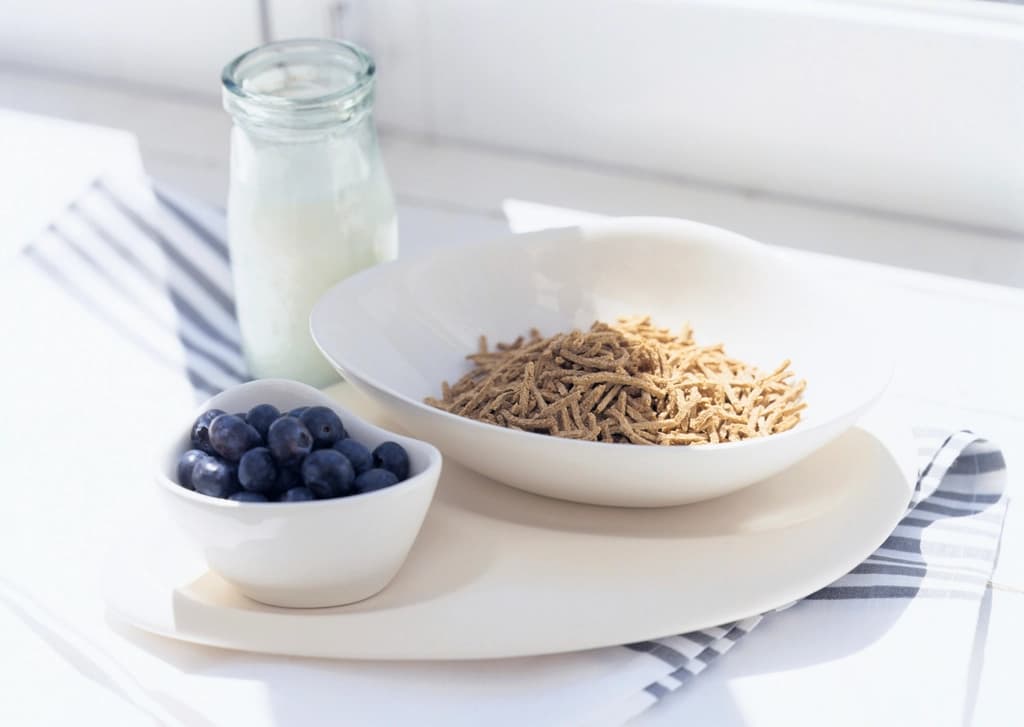
The breakfast aisle is the single best place to learn label reading, because the gap between what the front says and what the panel says is at its widest there. Boxes promise fibre, protein, immunity and whole grains; panels frequently show 20 g or more of added sugar per 100 g.
The three numbers
Everything else on the box is noise until these three are settled, and all three are read per 100 g.
| Number | Good | Acceptable | Avoid |
|---|---|---|---|
| Added sugar | under 5 g | 5 to 10 g | above 15 g |
| Fibre | above 8 g | 5 to 8 g | under 3 g |
| Protein | above 10 g | 7 to 10 g | under 5 g |
Check them in that order. A cereal that fails the sugar test cannot be rescued by the other two, and a high-protein flash on a box with 22 g of sugar is a distraction, not a feature.
What each category typically is
- Rolled or old-fashioned oats: one ingredient, no added sugar, good fibre, cheapest per 100 g. The default winner.
- Steel-cut oats: same nutrition, chewier, longer cooking. A texture preference, not a nutrition upgrade.
- Instant oats, plain: convenient, slightly higher glycaemic response than rolled. Still fine.
- Instant oats, flavoured sachets: where sugar and salt arrive. Read the panel before assuming they are oats with a flavour.
- Muesli: oats plus nuts and dried fruit. Good ones are excellent; many are heavily sweetened, and dried fruit pushes total sugar up even when added sugar is low.
- Granola: muesli baked with oil and a syrup. Treat it as a topping rather than a bowl.
- Flaked and extruded corn or wheat cereals: usually low fibre, often sugar-coated, and the most heavily marketed shelf in the aisle.
- Indian staples - poha, upma rava, dalia, ragi: cheap, whole, and far easier to season savoury rather than sweet.
Claims that say less than they look like
Multigrain means more than one grain was used. It says nothing about whether any of them are whole, or in what proportion. Whole grain is the phrase that carries meaning, and the useful version names its position in the ingredients list.
Fortified with vitamins and minerals is common and genuinely useful in a country with widespread micronutrient gaps - but it does not offset a sugar problem, and it is often added to the products that need the offset most.
No maida is a good sign in a biscuit or cereal. No added sugar needs checking against the total sugar row, because dried fruit and juice concentrate can carry it.
Watch the serving size on cereal boxes specifically. A 30 g serving is a small bowl with no milk. Most people pour 45 to 60 g. Every per-serve figure on the box is therefore roughly half of what actually lands in your bowl.
Building a bowl that holds until lunch
Breakfast cereals fail people mainly through hunger at eleven. The fix is protein and fat, not more cereal.
- Start from plain oats or plain muesli rather than a sweetened base.
- Add protein you control - curd, milk, paneer on the side, or a spoon of seeds.
- Add a handful of nuts for fat and satiety. Cheaper than buying a granola with nuts already in it.
- Sweeten yourself if you want to. A spoon of honey is about 6 g of sugar and you chose it, rather than a box choosing 20 g for you.
- Fresh fruit beats dried fruit for volume and fibre at the same sugar.
Run this comparison once in the breakfast category, save the two products that pass, and you never have to think about the aisle again. Added sugar and fibre are the two heaviest-weighted factors in the food score for exactly this category of decision.
Every score on Filtizy is shown working
The factors, weights and thresholds behind a product's number are published in full - including the ones we consider weak.
Comments
Loading comments…