India still has no front-of-pack warning label. Here is the state of play - and what to do meanwhile
The star rating stalled, the Supreme Court pushed back, and the back of the pack remains the only honest summary you have.
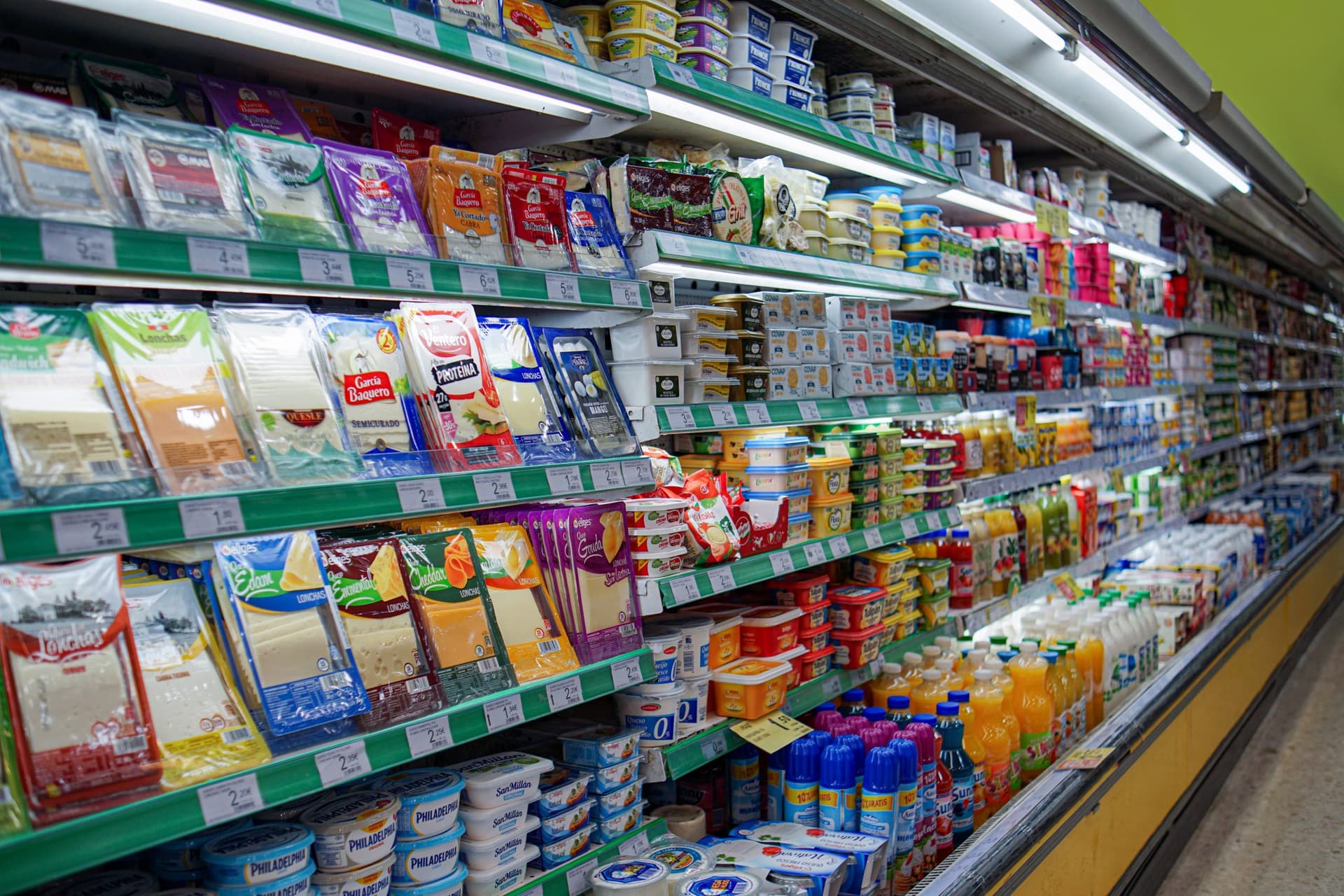
Chile prints black octagons. Israel prints red circles. India prints a marketing claim of the manufacturer choosing, and puts the facts on the back in a font size you may need better light for.
This has been in progress for years, and it is worth understanding why it has not landed - because the answer tells you a lot about how to shop in the meantime.
What was proposed
In September 2022 FSSAI notified a draft amendment introducing the Indian Nutrition Rating, or INR: a front-of-pack star rating from half a star to five stars, modelled loosely on the Australian health star rating.
The algorithm scored positives - protein, fibre, fruit, vegetable, nut content - against negatives such as energy, saturated fat, total sugar and sodium, and printed one number on the front.
Why public-health researchers objected
A star rating is interpretive and positive-framed. Points scored for added protein or fibre can offset points lost for sugar or salt, so a reformulated product can advertise a respectable rating without meaningfully changing what makes it a problem food.
Warning labels work the other way. A single high-in-sugar mark cannot be offset by anything, and the evidence from Latin America is that they change both purchases and reformulation more decisively.
The disagreement is not really about design. A star tells you a product is relatively better than its shelfmates; a warning tells you the product is high in something regardless of the shelf it sits on. Those are different claims, and the industry preference between them is not hard to predict.
Where it stands
The 2022 draft did not get finalised. FSSAI told the Supreme Court it could not conclude the draft in the absence of stakeholder consensus and proposed withdrawing it pending further research. In February 2026 the Court urged FSSAI to consider mandating front-of-pack labelling, including warning labels for high sugar, sodium or saturated fat alongside a positive mark for healthier products.
Separately, FSSAI has already required that added sugar, salt and saturated fat be shown in bold and at a larger relative font size in the nutrition panel. That is a real improvement, but it is still on the back of the pack.
A reading rule that works today
Until a front-of-pack mark exists, use a fixed threshold rather than comparing products against each other - the thing a warning label would have done for you.
| Per 100 g of a solid food | Treat as high |
|---|---|
| Total sugar | more than about 15 g |
| Added sugar | more than about 10 g |
| Saturated fat | more than about 5 g |
| Sodium | more than about 600 mg |
Two or more lines crossed means you are holding a treat, whatever the front of the pack says about protein, millets, immunity or ancient grains.
Why front-of-pack matters more in India than most places
- Packaged food consumption is growing fast, and it grows fastest in exactly the households with the least time to read panels.
- Multilingual labelling makes small back-of-pack text harder still to use quickly.
- Health claims are legally constrained but visually loud, and a claim on the front outcompetes a number on the back.
- India already carries a heavy diabetes and hypertension burden, so the population-level payoff from better labelling is unusually large.
Until the rule arrives, a score on a product page is the closest thing to a front-of-pack mark you can get - which is why ours is computed from the back-of-pack numbers and shows its own breakdown rather than asking you to take it on faith.
Every score on Filtizy is shown working
The factors, weights and thresholds behind a product's number are published in full - including the ones we consider weak.
Comments
Loading comments…