How much protein do you actually need? The Indian numbers, not the internet ones
The RDA and a training target are different numbers for different purposes, and confusing them sells a lot of powder.
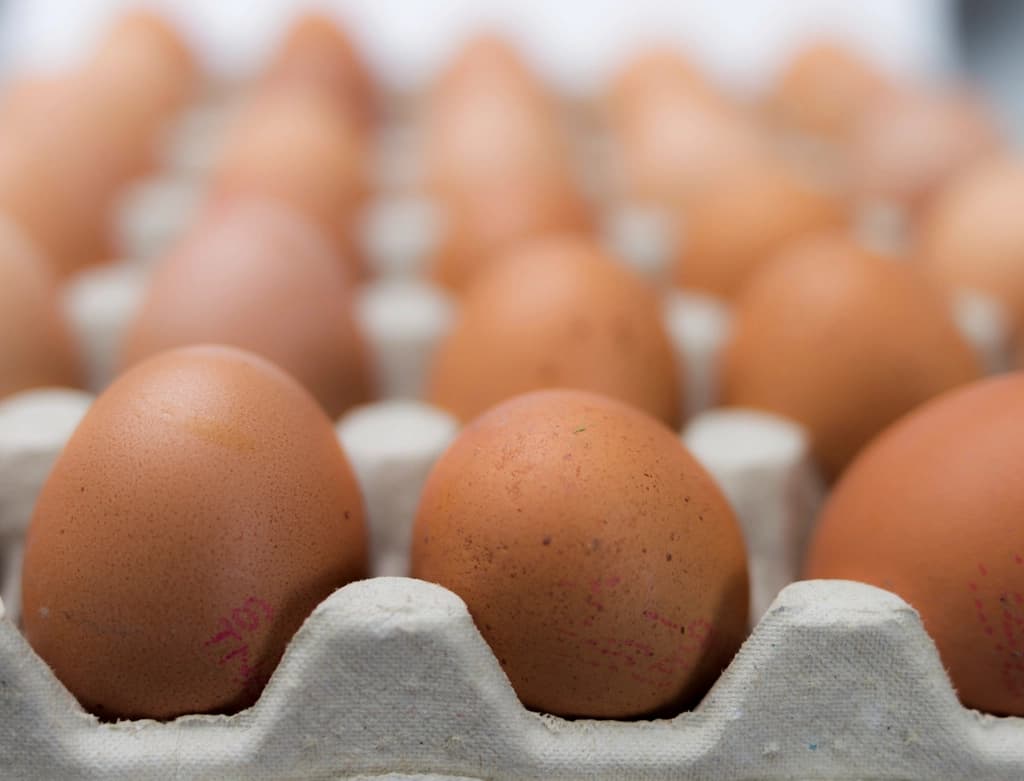
Protein advice arrives from two directions and they rarely acknowledge each other. Public health says most people get enough. Fitness content says you are chronically deficient and should buy a tub. Both are describing real numbers for different purposes.
The two numbers
The ICMR-NIN recommended dietary allowance for Indian adults is about 0.83 g of protein per kg of body weight per day. An RDA is designed to cover the needs of nearly everyone in a healthy population - it is a floor for adequacy, not a target for performance.
Research on resistance training and body composition supports higher intakes, commonly 1.2 to 2.0 g per kg, with the upper part of that range mattering most for people training hard while in a calorie deficit. Older adults also benefit from more than the RDA, because the muscle-building response to a given dose declines with age.
| Who | Rough daily target | For a 65 kg adult |
|---|---|---|
| Sedentary adult | 0.83 to 1.0 g per kg | about 55 to 65 g |
| Recreational exercise | 1.0 to 1.4 g per kg | about 65 to 90 g |
| Resistance training | 1.4 to 2.0 g per kg | about 90 to 130 g |
| Dieting while training | 1.6 to 2.2 g per kg | about 105 to 145 g |
| Adults over 65 | 1.0 to 1.2 g per kg or more | about 65 to 80 g |
The Indian diet problem, stated precisely
Typical Indian diets are not catastrophically low in protein; they are cereal-dominant, so protein arrives diluted and at lower quality. A day built on rice, roti, potato and a small quantity of dal can reach adequacy for a sedentary person and fall well short for anyone training.
There is also a distribution problem. Most people eat very little protein at breakfast, a modest amount at lunch, and the bulk at dinner. Spreading 20 to 30 g across each meal is more effective for muscle than the same total in one sitting.
Hitting the number with real food
| Food | Portion | Protein |
|---|---|---|
| Toor dal, cooked | 1 katori, about 150 g | about 7 g |
| Rajma or chana, cooked | 1 katori | about 8 to 9 g |
| Egg | 1 large | about 6 g |
| Curd | 1 katori, 150 g | about 5 g |
| Paneer | 50 g | about 9 g |
| Soya chunks, dry | 30 g | about 15 g |
| Chicken, cooked | 100 g | about 25 g |
| Peanuts | 30 g | about 7 g |
| Roti | 2 medium | about 6 g |
Soya chunks are the cheapest high-quality protein in most Indian kitchens - around 50 g of protein per 100 g dry, and soy is unusually complete for a plant protein. If one change has to carry a vegetarian protein target, it is this one.
Amino acids without the complication
Cereals are low in lysine; pulses are low in methionine. Eaten together across a day, they complement each other. Dal-chawal, rajma-chawal, khichdi and idli-sambar are that principle in practice, and the old advice about combining proteins within a single meal has been superseded - across the day is sufficient.
When a powder is genuinely the right tool
- You have a high target and limited appetite or limited time to cook.
- You train in the evening and will not eat a real meal for hours afterwards.
- You travel constantly and the realistic alternative is a packaged snack.
- You are an older adult struggling to eat enough at each meal.
And when it is not: as a general health measure for someone comfortably meeting their needs from food, or as a substitute for meals in a diet that is already short on vegetables and fibre. Protein is not free - it costs money, and in the Indian supplement market it also costs some certainty about what is in the tub.
Every score on Filtizy is shown working
The factors, weights and thresholds behind a product's number are published in full - including the ones we consider weak.
Comments
Loading comments…