Protein powders in India: what independent testing actually found, and how to shortlist safely
A 2024 analysis of 36 popular supplements found most did not match their own label. Here is how to buy anyway.
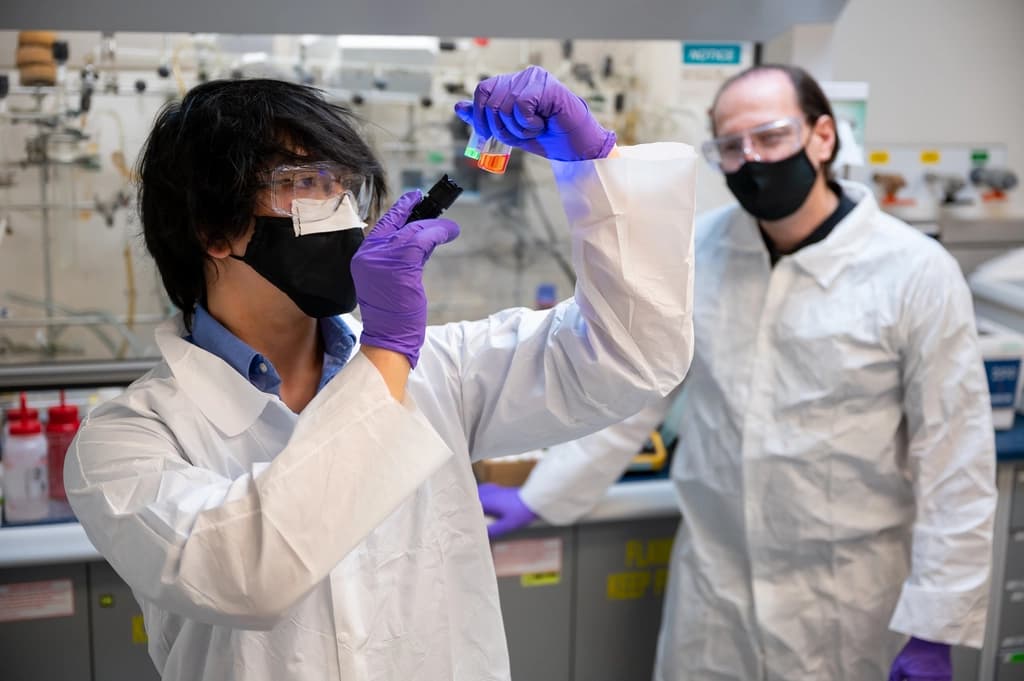
In 2024, a self-funded group of Indian clinicians published an analysis in the journal Medicine of 36 popular protein supplements sold in India. It is uncomfortable reading, and it is the most useful thing anyone buying protein powder here can read.
What the study found
- Around 70 per cent of the samples did not deliver the protein content stated on the label - some at roughly half the claim.
- About 14 per cent contained fungal aflatoxins.
- About 8 per cent showed detectable pesticide residues.
- Herbal and ayurvedic protein blends performed notably worse than plain whey products from established manufacturers.
The study is not a random national sample and does not indict every product on the market. It does establish that label claims in this category cannot be assumed correct, which is exactly the assumption most buyers make.
Why this is possible
Supplements in India are regulated by FSSAI under the 2016 health supplements and nutraceuticals regulations. That framework places the responsibility for safety and for the accuracy of the label on the manufacturer, working from tests the manufacturer commissions. There is no pre-market approval process comparable to the one drugs go through, and the test results behind a label are not published.
So the system depends on manufacturer integrity plus enforcement after the fact. For large brands with real quality systems that works reasonably. For the long tail of white-label products with dramatic packaging it works much less well.
Protein spiking is the specific failure mode to know about. Adding cheap free amino acids such as glycine or taurine, or nitrogen-rich non-protein compounds, inflates the result of a crude nitrogen-based protein test without adding usable protein. This is why the amino acid profile on a label matters, not just the protein number.
A shortlist that survives this
| Check | What good looks like | What to avoid |
|---|---|---|
| Manufacturer | Named, with a verifiable address and FSSAI licence | Brand only, no manufacturer, no address |
| Testing | Third-party or certification programme results | Lab tested as a phrase with no lab named |
| Ingredients | Short list; protein source first | Long herbal blends with proprietary names |
| Amino acid profile | Full profile printed on the pack | No profile, or free amino acids added separately |
| Claims | Nutritional claims only | Cures, immunity, testosterone, mass gain promises |
| Price per kg of protein | Comparable to peers | Far below every competitor - that gap is paid for somehow |
Buying channel matters as much as brand
- Counterfeiting is a genuine problem in Indian sports nutrition. Buy from the brand store, an authorised retailer or a major platform seller with a returns record.
- Check the seal, the batch code, the manufacturing date and the importer sticker on imported tubs.
- Most brands provide an authenticity check - a scratch code or a QR code. Use it; it takes ten seconds.
- Be suspicious of deep discounts on large tubs close to expiry. Protein does not become dangerous with age, but the discount is telling you something about the stock.
And the prior question
Do you need it? The ICMR-NIN adult protein RDA is about 0.83 g per kg of body weight a day, and people training seriously commonly aim for 1.2 to 2.0 g per kg. A powder is a convenience for hitting that number, not a requirement for it - dal, eggs, curd, paneer and soya chunks do the same job at a far lower cost per gram, and no laboratory doubt attached.
If you have kidney disease, liver disease, or are pregnant, protein intake is a conversation with your doctor rather than a shopping decision. And for anyone with a medical condition, the labels of these products are required to state that they are not for medicinal use - which is a claim worth taking literally.
Every score on Filtizy is shown working
The factors, weights and thresholds behind a product's number are published in full - including the ones we consider weak.
Comments
Loading comments…