What to wear in 40 degrees: linen, cotton, viscose, modal and the fabrics that actually breathe
Breathability is about weave and moisture handling, not only about fibre. Two cottons can behave completely differently.
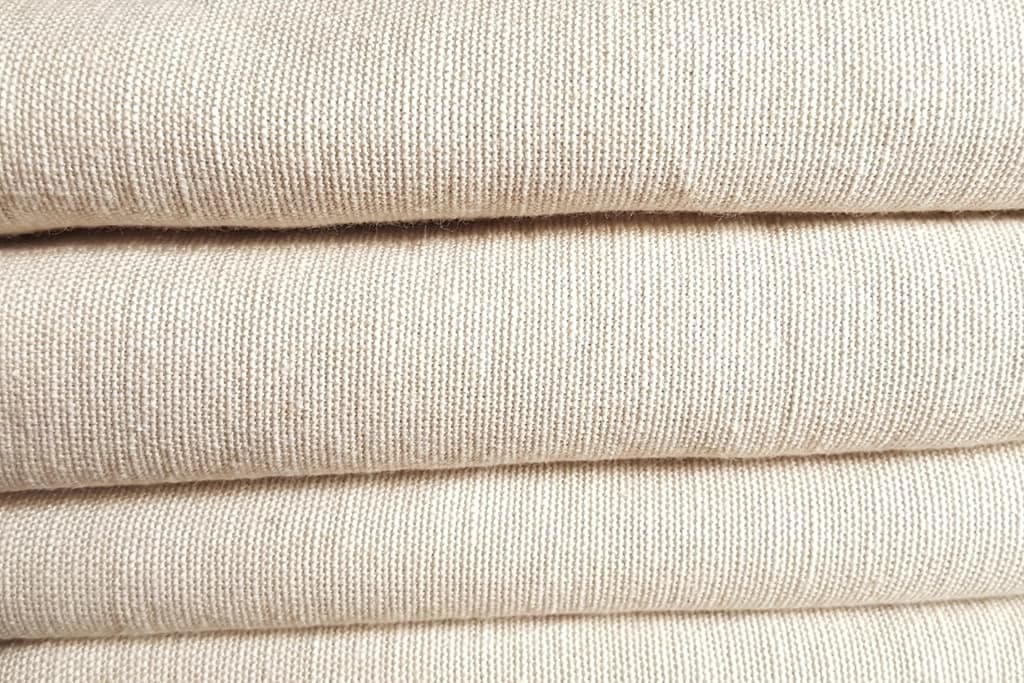
Comfort in heat comes down to two things: whether air can move through the fabric, and what the fabric does with sweat. Fibre matters, but a tightly woven cotton can be hotter than an open-weave blend, which is why fibre-only advice so often disappoints.
The fibres, ranked for Indian conditions
| Fabric | In dry heat | In humidity | Note |
|---|---|---|---|
| Linen | Excellent | Excellent | Most breathable common fibre; creases by nature |
| Cotton (open weave: mulmul, voile, khadi) | Excellent | Very good | Absorbs sweat; can feel heavy once saturated |
| Cotton (dense weave: canvas, twill) | Moderate | Poor | Same fibre, very different behaviour |
| Viscose / rayon | Very good | Good | Drapes beautifully; weak when wet |
| Modal and lyocell | Very good | Very good | Softer and stronger than standard viscose |
| Bamboo viscose | Good | Good | Chemically processed viscose - treat claims with caution |
| Polyester | Poor | Poor | Unless engineered as a performance wicking fabric |
| Silk | Good | Moderate | Cool to touch; sweat and deodorant damage it |
Why weave matters as much as fibre
Open weaves - voile, mulmul, seersucker, loose linen - let air move. Dense weaves trap it. Indian summer wear has known this for centuries, which is why the traditional fabrics for the hottest months are light and open rather than merely cotton.
Seersucker deserves a specific mention: its puckered surface holds the fabric slightly off the skin, which is a mechanical solution to a heat problem and works better than most technical marketing.
Fit is part of the fabric decision. A loose garment allows air to circulate and sweat to evaporate; the same fabric cut tight traps both. In genuinely extreme heat, loose and light-coloured beats tight and technical.
Absorbent or wicking - pick deliberately
Natural fibres absorb sweat and hold it, which feels cool while the moisture evaporates and clammy once the fabric is saturated. Engineered synthetics wick moisture to the surface where it evaporates faster, which is why they work for sport and feel unpleasant when worn sitting still in a humid room.
- Office in air conditioning: cotton or linen; the humidity indoors is manageable.
- Commuting in heat: linen or open-weave cotton, loose cut, light colour.
- Running or the gym: a technical wicking fabric genuinely helps.
- Long travel days: modal or lyocell - they resist creasing better than linen and breathe better than polyester.
- Formal events in summer: linen-cotton blends, or lightweight wool, which is more breathable than its reputation suggests.
Colour, and the sun
Light colours reflect more radiation and matter in direct sun. In shade, the difference is small. Loose dark clothing can outperform tight light clothing, so treat colour as one variable among several rather than a rule.
For genuinely sun-exposed work, closely woven light fabric with full coverage protects skin better than sunscreen alone - the reason traditional desert dress is long, loose and layered rather than minimal.
Care in the heat
- Sweat is mildly acidic and degrades fibres - wash summer clothes sooner than winter ones.
- Deodorant residue yellows white cotton and damages silk. Let it dry before dressing.
- Shade dry. Indian sun fades colour fast and weakens fibres.
- Linen creases. Ironing it damp is the only reliable answer, and accepting the crease is the more practical one.
- Store cotton and linen dry and ventilated through the monsoon, or you will find mildew in September.
The shortest version: linen and open-weave cotton for heat, modal or lyocell for travel and drape, technical synthetics only for sport, and looseness beating everything else when the temperature is genuinely extreme.
Every score on Filtizy is shown working
The factors, weights and thresholds behind a product's number are published in full - including the ones we consider weak.
Comments
Loading comments…