GSM explained: why a 240 GSM t-shirt is not automatically better than a 180
Fabric weight tells you about drape, opacity and season. It does not tell you about quality.
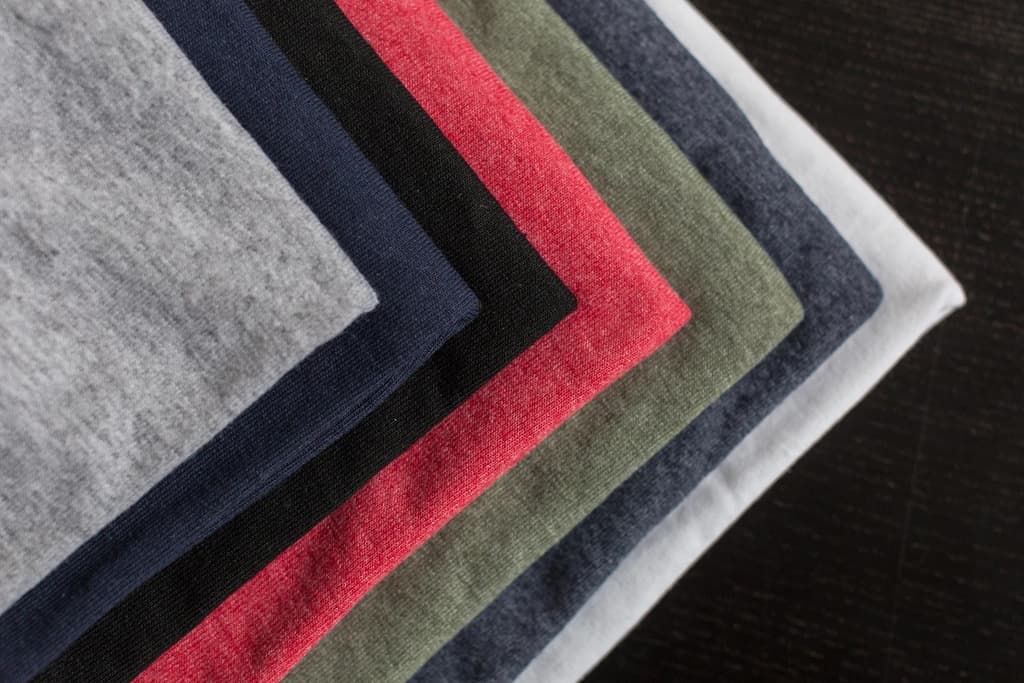
GSM stands for grams per square metre. It is a measure of how much a fabric weighs for a given area, and that is genuinely all it is - a weight, not a grade.
Because it is the only number most listings publish, it has been pressed into service as a quality score. It is not one. A heavy fabric made from poor yarn is a heavy fabric made from poor yarn.
What the weights actually feel like
| GSM | Character | Good for |
|---|---|---|
| 120 to 150 | Light, drapey, can be semi-sheer | Summer layering, very hot and humid weather |
| 160 to 180 | The mainstream retail t-shirt weight | Everyday wear, Indian summers |
| 190 to 220 | Substantial, holds shape, more opaque | Year-round tees, printed graphics |
| 230 to 260 | Heavy, structured, boxy | Oversized fits, winter tees, streetwear |
| 280 and above | Very heavy | Sweatshirt territory rather than t-shirt |
Heavier fabric holds a boxy silhouette instead of clinging, which is why the oversized trend pushed GSM numbers up in marketing. That is a styling reason, not a durability one.
What actually determines quality
- Staple length of the cotton. Long-staple fibres make smoother, stronger, less pill-prone yarn - this matters more than weight.
- Combed versus carded. Combing removes short fibres and impurities, giving a cleaner, softer, more durable fabric.
- Yarn count. A higher count means finer yarn, which can make a lighter fabric that outlasts a heavier coarse one.
- Knit construction. Single jersey, interlock and pique behave differently at identical GSM.
- Finishing. Bio-washing, enzyme washing and compacting change hand-feel and shrinkage behaviour.
- Whether the fabric is pre-shrunk. An unlabelled tee that shrinks 8 per cent after two washes was never the size you bought.
A 180 GSM tee in combed long-staple cotton will comfortably outlast a 240 GSM tee in carded short-staple cotton, and will be pleasanter to wear in Indian weather. Weight is a specification; fibre and construction are the quality.
GSM beyond t-shirts
- Shirting: usually described by yarn count and weave - poplin, twill, oxford - rather than by GSM.
- Denim: quoted in ounces per square yard. Roughly, 10 to 12 oz is light, 12 to 14 oz mid-weight, above 14 oz heavy.
- Towels: GSM is genuinely useful. 400 to 600 is everyday, 600 to 900 is plush and slow to dry.
- Bedsheets: GSM and thread count together say more than either alone, and fibre staple length again outranks both.
- Hoodies and sweatshirts: 280 to 400 GSM covers most of the market.
How to use the number when shopping
Treat GSM as a shorthand for season and silhouette. Decide whether you want something light and drapey or structured and opaque, use GSM to get into the right band, and then make the actual quality judgement on fibre, yarn and construction.
If a listing publishes GSM but says nothing about whether the cotton is combed, that omission is itself informative. Brands that comb their yarn tend to mention it, because it costs more.
And if a t-shirt is being sold primarily on its GSM number, ask what else the listing could have told you and chose not to.
Every score on Filtizy is shown working
The factors, weights and thresholds behind a product's number are published in full - including the ones we consider weak.
Comments
Loading comments…