No added sugar, sugar free, unsweetened, diet: what each phrase legally means in India
Some of these are defined thresholds you can hold a brand to. Others are adjectives.
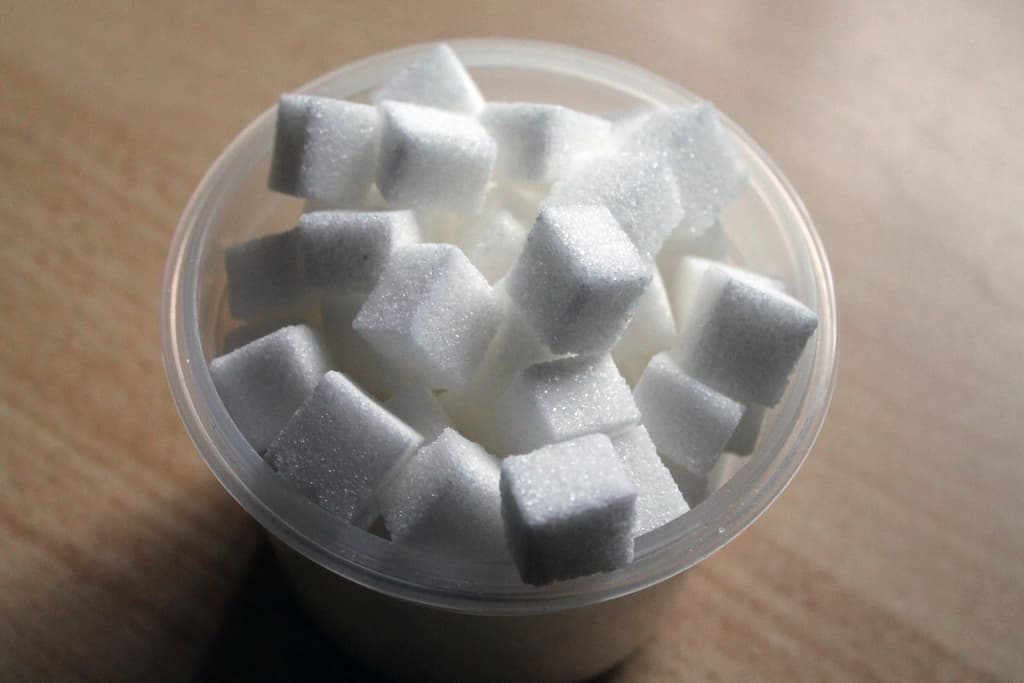
Claim words on Indian packs fall into two piles. One pile is defined in law, with a threshold a laboratory could test the product against. The other pile is adjectives, and a brand can use them as freely as it can use the word delicious.
Knowing which pile a phrase belongs to is most of label literacy.
The defined pile
The FSS (Advertising and Claims) Regulations, 2018 define nutrient content claims in Schedule I: each phrase - sugar free, low fat, source of protein, high in fibre and the rest - has a stated threshold, expressed either per 100 g or 100 ml, or as a share of the recommended dietary allowance. A brand that uses the phrase must meet the threshold.
| Phrase | Status | What it actually tells you |
|---|---|---|
| Sugar free | Defined - not more than 0.5 g sugar per 100 g or 100 ml | Very little sugar. Says nothing about fat or calories |
| Low fat / fat free | Defined thresholds per 100 g | Fat is low. Sugar may have replaced it |
| Source of / high in protein or fibre | Defined against the RDA | A meaningful amount is present |
| Low sodium | Defined threshold per 100 g | Genuinely useful on snacks and sauces |
| No added sugar | Defined as none added in processing | Naturally occurring sugars can still be high |
| Unsweetened | Not a threshold claim in the same way | Read the total sugar row |
| Natural, wholesome, goodness, immunity | Marketing | Nothing |
The trap in no added sugar
It is a legitimate claim and a frequently misleading one, because sugar can arrive by other doors. Fruit juice concentrate, date paste and dried fruit all raise total sugar without counting as added sugar.
So the useful habit is to read the two rows together. Added sugar tells you what the manufacturer put in. Total sugar tells you what you are about to eat. When they diverge sharply, look at the ingredients list to find out why.
What replaces sugar, and what it does
- High-intensity sweeteners - sucralose (INS 955), aspartame (INS 951), acesulfame potassium (INS 950), steviol glycosides (INS 960). Effectively no calories at the quantities used, and permitted within limits in specified food categories.
- Polyols - maltitol, sorbitol, xylitol, erythritol. Partly absorbed, so they carry some calories, and in quantity they cause bloating and a laxative effect. Indian labels carry an advisory for this reason.
- Aspartame carries a mandatory warning relevant to people with phenylketonuria.
- Sugar alcohols and high-intensity sweeteners both change texture and mouthfeel, which is why sugar-free versions often add fat or bulking agents to compensate.
Sugar-free does not mean suitable for people with diabetes. A sugar-free biscuit made of refined flour still raises blood glucose. The carbohydrate row matters at least as much as the sugar row for that question.
Other phrases worth decoding
- Made with real fruit - a legal statement about presence, not quantity. The percentage, when declared, is the informative part.
- Diet or lite - tells you something was reduced relative to the standard version of the same product, which may still be high.
- Zero cholesterol on a vegetable oil - true of every vegetable oil ever made. It is a non-claim.
- Organic - meaningful in India when it carries the Jaivik Bharat mark under FSSAI organic regulations. Organic speaks to how it was farmed, not to sugar, fat or salt.
- Fortified - carries the +F logo and is a genuine nutritional addition, but does not offset the rest of the panel.
How to use this in the aisle
Treat every front-of-pack phrase as a question rather than an answer. Sugar free asks: then what is it made of? High protein asks: how much per 100 g, and at what sugar? Made with real fruit asks: what percentage?
The panel answers all three in about fifteen seconds, and the answer is the same whichever brand is shouting loudest that week.
Every score on Filtizy is shown working
The factors, weights and thresholds behind a product's number are published in full - including the ones we consider weak.
Comments
Loading comments…